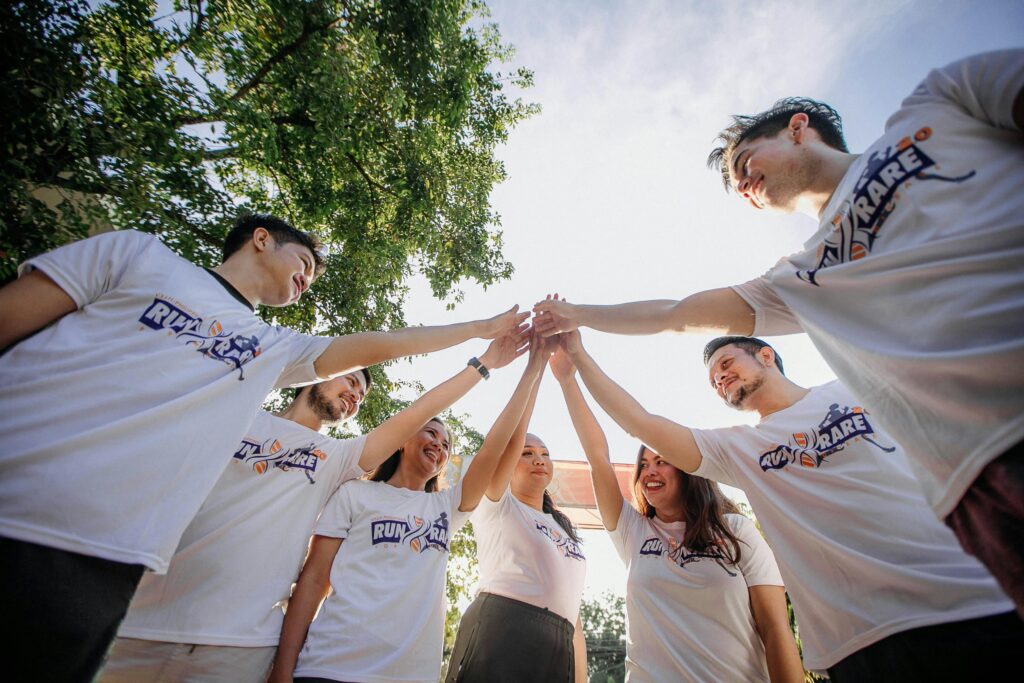
The importance of team building in achieving success
In today’s fast-paced and ever-evolving business landscape, the ability to work collaboratively as a cohesive unit is paramount for organizations to thrive. High-performance teams are the driving force behind successful companies, fostering innovation, problem-solving, and achieving collective goals. Recognizing the significance of team building is the first step towards unlocking the potential for success.
Effective team building exercises are not merely recreational activities but strategic initiatives designed to cultivate a strong foundation for teamwork. By bringing individuals together and fostering an environment of trust, communication, and collaboration, these exercises pave the way for teams to reach new heights of productivity and performance.
As we delve into the world of high-performance team building, we will explore the benefits, characteristics, and various types of exercises that can be integrated into corporate retreats, that can propel teams towards optimal results. Through practical insights and real-world case studies, we aim to equip you with the knowledge and tools necessary to unlock the full potential of your team.
Benefits of high-performance team building exercises
Engaging in well-designed team building exercises can yield numerous benefits for organizations and their teams. Here are some of the key advantages:
- Improved Communication: Effective communication is the lifeblood of any successful team. Team building exercises foster open dialogue, active listening, and clear expression of ideas, ensuring that information flows seamlessly among team members.
- Enhanced Collaboration: By breaking down silos and fostering a collaborative mindset, team building exercises encourage individuals to work together towards a common goal. This synergy amplifies creativity, problem-solving capabilities, and the ability to leverage diverse perspectives.
- Increased Trust and Rapport: Trust is the foundation upon which strong teams are built. Team building exercises create opportunities for team members to develop trust, understand each other’s strengths and weaknesses, and build lasting rapport.
- Boosted Morale and Motivation: Engaging in team building activities can be a morale-boosting experience. When team members feel valued, supported, and part of a cohesive unit, their motivation and commitment to the team’s success soar.
- Conflict Resolution: Conflicts are inevitable in any team setting. However, team building exercises equip teams with the tools and strategies to navigate conflicts constructively, fostering a culture of open communication and problem-solving.
By investing in high-performance team building exercises, organizations can cultivate a collaborative and productive work environment, positioning themselves for long-term success in an ever-changing business landscape.
Characteristics of effective team building exercises
While there are numerous team building exercises available, not all are equally effective in achieving desired outcomes. Effective team building exercises share several key characteristics:
- Alignment with Organizational Goals: Successful team building exercises are strategically designed to align with the organization’s overall goals, values, and culture. They should reinforce the desired behaviors and mindsets that contribute to the company’s success.
- Relevance to Team Dynamics: Effective exercises are tailored to the specific needs and dynamics of the team. They should address the unique challenges, strengths, and areas for improvement that the team faces.
- Engaging and Immersive: Engaging team building exercises captivate participants and immerse them in the experience. They should be interactive, hands-on, and foster active participation from all team members.
- Facilitated Learning: Well-designed exercises incorporate opportunities for reflection, feedback, and facilitated discussions. This allows teams to draw meaningful insights and actionable lessons from the experience.
- Measurable Outcomes: Effective team building exercises should have clear objectives and measurable outcomes. This enables organizations to evaluate the impact and success of the exercises and make data-driven decisions for future initiatives.
By ensuring that team building exercises possess these characteristics, organizations can maximize the potential for positive outcomes and lasting impact on team performance.
Types of team building exercises for optimal results
There are numerous types of team building exercises that can be employed to achieve optimal results. Here are some common categories and examples:
Team building exercises for communication and collaboration
- Blindfold Obstacle Course: In this exercise, team members must guide a blindfolded teammate through an obstacle course using only verbal communication. This activity fosters active listening, clear communication, and trust.
- Marshmallow Challenge: Teams are tasked with building the tallest freestanding structure using limited materials, such as spaghetti sticks and marshmallows. This exercise promotes collaboration, problem-solving, and creative thinking.
- Storytelling Circle: Participants take turns adding a sentence to a collective story, encouraging active listening, creative expression, and building upon each other’s ideas.
Team building exercises for problem-solving and decision-making
- Escape Room: Teams must work together to solve puzzles, decipher clues, and escape a themed room within a given time frame. This activity promotes critical thinking, teamwork, and effective decision-making under pressure.
- Egg Drop Challenge: Teams design and construct a protective container to prevent an egg from breaking when dropped from a height. This exercise encourages creative problem-solving, resource management, and collaboration.
- Survival Scenario: Participants are presented with a hypothetical survival situation and must prioritize and allocate limited resources as a team. This activity fosters strategic thinking, decision-making, and conflict resolution skills.
Team building exercises for trust-building and relationship building
- Trust Fall: Participants take turns falling backwards and relying on their teammates to catch them safely. This exercise promotes trust, communication, and team support.
- Minefield: Teams must navigate a “minefield” by guiding blindfolded teammates through a maze of obstacles using only verbal instructions. This activity builds trust, communication, and teamwork.
- Two Truths and a Lie: Participants share two truths and one lie about themselves, and the team must guess which statement is false. This exercise promotes active listening, observation skills, and helps team members get to know each other better.
These are just a few examples of the many team building exercises available. By carefully selecting exercises that align with your team’s specific needs and goals, you can create a powerful and engaging experience that fosters growth, collaboration, and success.
Tips for successful implementation of team building exercises
While team building exercises can be highly beneficial, their success depends on effective implementation. Here are some tips to ensure a successful and impactful team building experience:
- Set Clear Objectives: Before embarking on team building exercises, clearly define the objectives and desired outcomes. This will help guide the selection of appropriate activities and ensure alignment with organizational goals.
- Engage a Skilled Facilitator: Consider working with an experienced facilitator who can guide the team through the exercises, provide valuable insights, and facilitate meaningful discussions and debriefs.
- Foster a Positive and Inclusive Environment: Create an environment that encourages participation, open communication, and respect for diverse perspectives. Ensure that all team members feel comfortable and valued throughout the process.
- Encourage Reflection and Feedback: Incorporate opportunities for team members to reflect on their experiences, share feedback, and discuss how the lessons learned can be applied in their daily work.
- Follow Up and Reinforce: Effective team building is an ongoing process. Follow up on the insights and action plans developed during the exercises, and reinforce the desired behaviors and mindsets through regular check-ins and support.
- Celebrate Successes and Milestones: Recognize and celebrate the team’s achievements and milestones resulting from the team building exercises. This reinforces the value of the experience and motivates continued growth and collaboration.
By following these tips, organizations can maximize the impact of team building exercises and create a lasting culture of high-performance teamwork.
Case studies: Successful team building exercises in different industries
To illustrate the power of effective team building exercises, let’s explore some real-world case studies from various industries:
Technology Company: Fostering Innovation through Collaboration
A leading technology company recognized the need to foster greater collaboration and innovation among its product development teams. They implemented a series of team building exercises focused on creative problem-solving and ideation.
One exercise involved dividing teams into small groups and tasking them with designing a new product concept using limited resources. Through this exercise, team members learned to leverage each other’s strengths, communicate effectively, and think outside the box.
The company reported a significant increase in cross-functional collaboration, a surge in innovative ideas, and a more cohesive and motivated workforce. These outcomes directly contributed to the successful launch of several groundbreaking products.
Healthcare Organization: Building Trust and Effective Communication
In the healthcare industry, where lives are at stake, effective communication and trust among team members are paramount. A renowned hospital recognized the need to strengthen these areas and implemented a series of team building exercises focused on trust-building and communication.
One exercise involved teams navigating a simulated emergency scenario, where team members had to rely on clear communication and trust each other’s roles and expertise to ensure patient safety.
Through these exercises, healthcare professionals developed a deeper understanding of each other’s roles, improved their communication skills, and built a stronger sense of trust and camaraderie. As a result, the hospital experienced a significant reduction in medical errors and improved patient outcomes.
Nonprofit Organization: Fostering Collaboration and Shared Purpose
A nonprofit organization dedicated to environmental conservation faced challenges in aligning its diverse teams with a shared vision and purpose. They implemented team building exercises focused on collaboration, problem-solving, and fostering a sense of unity.
One exercise involved teams working together to build a sustainable community model using recycled materials. This activity encouraged creative thinking, resource management, and a shared commitment to environmental sustainability.
The team building exercises helped bridge gaps between different departments, fostered a deeper understanding of the organization’s mission, and created a more cohesive and motivated workforce. As a result, the nonprofit experienced increased efficiency, improved fundraising efforts, and a stronger impact on their environmental initiatives.
These case studies demonstrate the transformative power of effective team building exercises in various industries. By tailoring the exercises to specific organizational needs and fostering an environment of trust, collaboration, and shared purpose, companies can unlock the full potential of their teams and achieve remarkable success.
Conclusion: The key to unlocking success through effective team building exercises
As we have explored, the key to unlocking success through team building exercises lies in understanding the unique needs and dynamics of your team, selecting exercises that align with your organizational goals, and implementing them effectively with the guidance of skilled facilitators.
Remember, team building is an ongoing journey, and the benefits compound over time. Embrace a mindset of continuous improvement, celebrate milestones, and reinforce the lessons learned through regular reinforcement and support.Unlock the full potential of your team and achieve remarkable success with our expert team building services. Our experienced facilitators will work closely with you to design and implement tailored team building exercises that address your organization’s unique needs and goals. Contact us today to schedule a consultation and take the first step towards building a high-performance team that drives innovation, collaboration, and sustainable growth.
By investing in effective team building exercises, you are not only investing in your team but also in the long-term success of your organization. Embrace the power of teamwork, and watch as your team soars to new heights of excellence and achievement.